26 May 2026
Are electric vehicles really more expensive?
Are electric vehicles really more expensive?
Many drivers and businesses are still put off by going electric due to the perception that EVs are more expensive than running petrol or diesel vehicles, typically because of the higher list prices.
However, when you factor in whole life cost, EVs can actually work out significantly cheaper to run than internal combustion engine (ICE) vehicles, particularly for company car drivers and fleets.
EV running costs vs petrol and diesel
One of the biggest financial advantages of EVs comes in the form of Benefit-in-Kind (BiK) taxation.
For the 2026/27 tax year, EVs attract a BiK rate of just 4%, compared to around 25-37% for many petrol and diesel alternatives.
That difference can have a major impact on take-home pay for company car drivers. For example, a £40,000 electric company car taxed at 4% BiK would create a much lower annual tax bill than an equivalent ICE model.
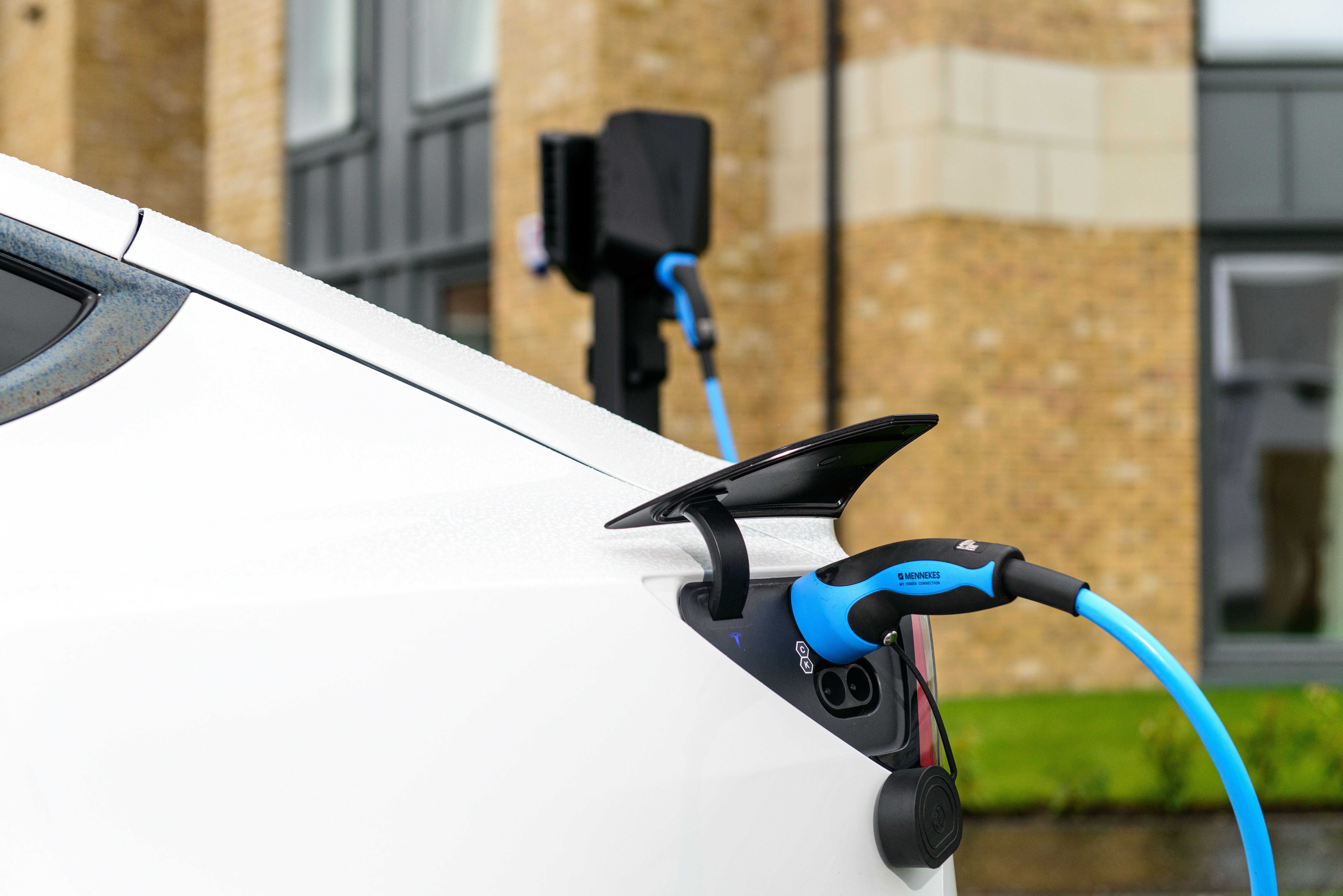
Charging an EV at home is also far more cost-effective than refuelling, typically costing around 3-7p per mile depending on electricity tariffs, while a comparable petrol or diesel vehicle costs closer to 14-18ppm in fuel costs.
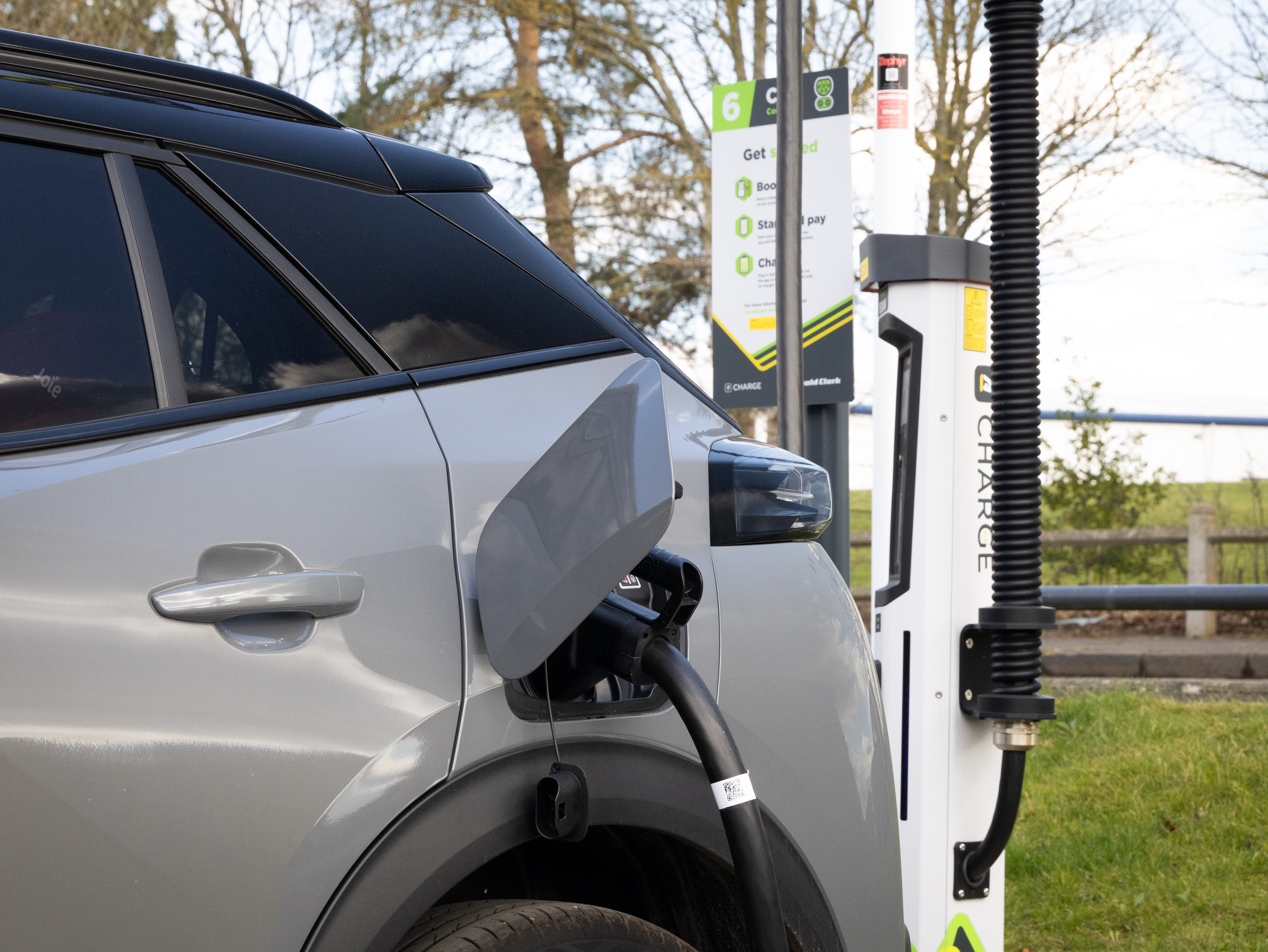
It’s true that public charging is generally more expensive than charging at home, but these costs (around 15ppm) are still comparable to ICE vehicles. Relying on public charging entirely does come with further cons though, such as vehicle downtime, so it’s important to understand route planning and domestic charging capabilities, which Activa can help assess.
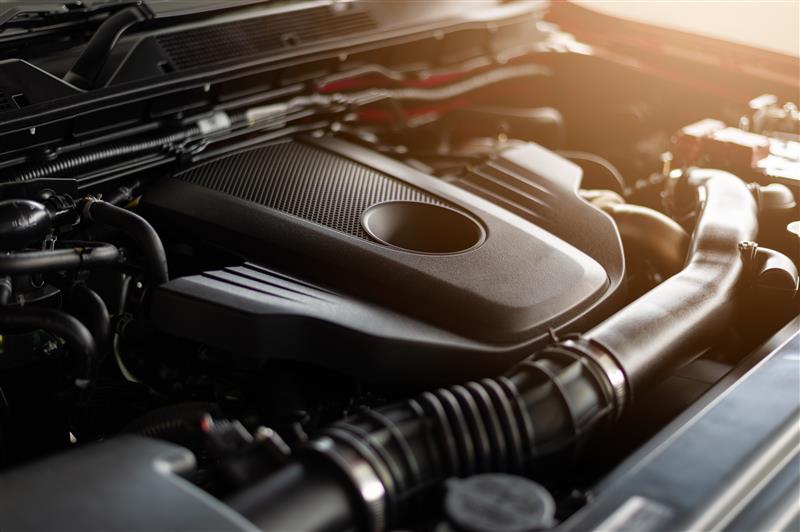
EVs also have fewer moving parts than ICE vehicles, with no oil systems, exhausts, clutches, or timing belts to maintain. Regenerative braking can also reduce brake wear over time, helping lower servicing and maintenance requirements.
Supporting businesses through the transition
At Activa Contracts, we help businesses make informed fleet decisions through clear, data-led whole life cost analysis.
Our specialists assess travel patterns, mileage, operational requirements, and charging access to compare EVs against petrol, diesel, and hybrid alternatives, helping organisations identify where electrification makes financial and operational sense.
We’re already supporting fleets transitioning from 0% to more than 90% electric while maintaining operational performance and driver suitability.
Activa also offers salary sacrifice schemes, helping drivers reduce the cost of switching to EVs through tax and National Insurance savings, while bundling servicing, maintenance, insurance, breakdown cover, tyres, and road tax into a single monthly payment.
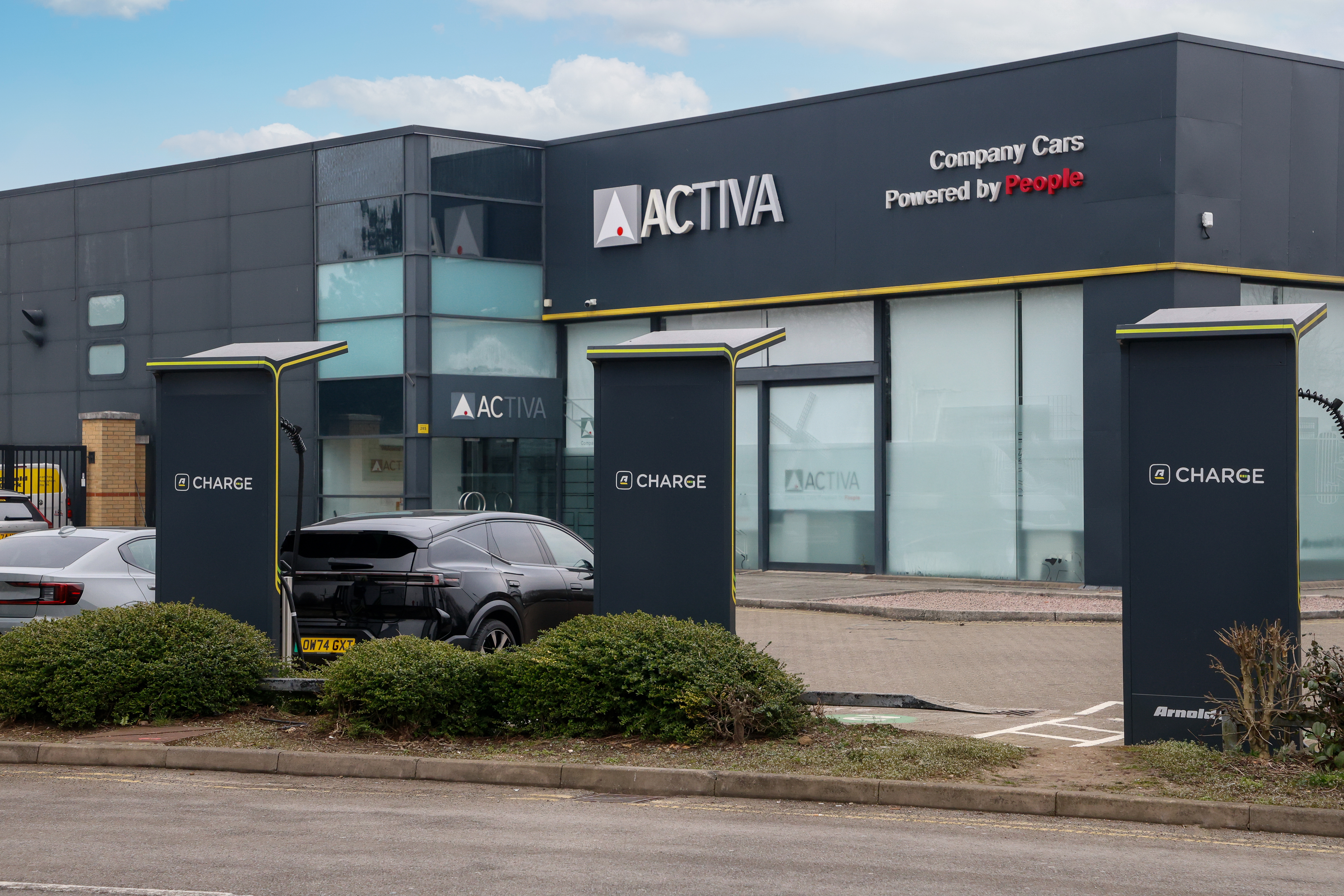
And through Arnold Clark Charge, businesses and drivers can also access charging installation support, helping make the move to electric even simpler.